<h2>The Hidden Threat in Your Power Lines</h2>
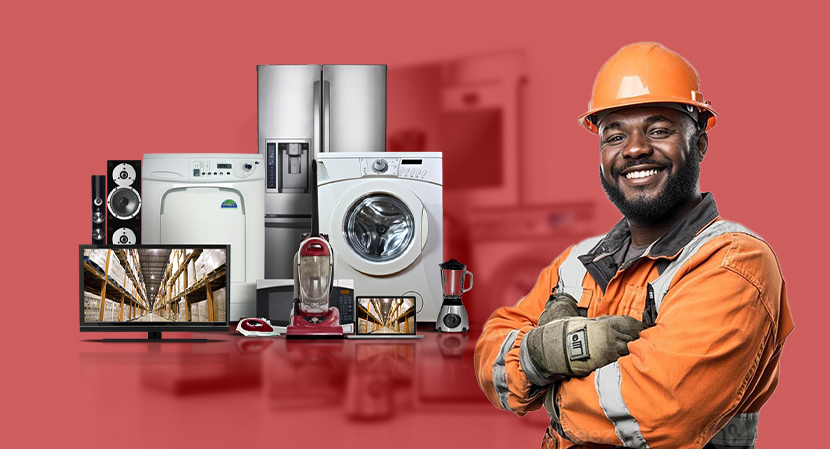
<p>For Nairobi residents, the flicker of lights and sudden blackout are all too familiar. But it's not just the loss of power that's a problem. The real danger to your expensive home appliances often comes when the power returns—in the form of a <strong>power surge</strong>. This sudden spike in voltage can instantly damage sensitive electronics, leading to costly <strong>appliance repair</strong> or even complete replacement. At Repair Technician, we see the aftermath of surges every day. Here's how you can protect your valuable appliances. [citation:3]</p>
<h2>What is a Power Surge?</h2>
<p>A power surge is a brief, sudden spike in voltage in your home's electrical system. In Kenya, these are commonly caused by:</p>
<ul>
<li><strong>Restoration after a blackout:</strong> When power is restored by Kenya Power, it can sometimes come back with a surge.</li>
<li><strong>Lightning strikes:</strong> A strike near a power line can send a massive surge through the grid.</li>
<li><strong>Switching of high-power devices:</strong> Large appliances like fridges or AC units switching on and off can create minor surges within your home.</li>
<li><strong>Problems with the grid:</strong> General instability and fluctuations in the national grid are common causes.</li>
</ul>
<h2>How Surges Damage Your Appliances</h2>
<p>Modern appliances are packed with sensitive electronic components—control boards, microprocessors, sensors, and displays. These components are designed to operate at a specific voltage (e.g., 220-240V). A power surge sends a much higher voltage through them, which can:</p>
<ul>
<li><strong>Burn out components immediately:</strong> Causing the appliance to fail on the spot. You might see a burnt smell or the appliance simply won't turn on.</li>
<li><strong>Cause latent damage:</strong> A surge can weaken components without destroying them outright. This can lead to premature failure weeks or months later, making the problem harder to diagnose.</li>
<li><strong>Damage motors:</strong> The motors in fridges, washers, and water dispensers can also be damaged by voltage spikes.</li>
</ul>
<h2>The Most Vulnerable Appliances</h2>
<p>While all appliances can be affected, those with the most sensitive electronics are at highest risk:</p>
<ul>
<li><strong>Refrigerators and Freezers:</strong> Especially modern inverter models with electronic control boards. A surge can fry the board, leading to a costly repair. [citation:3]</li>
<li><strong>Washing Machines and Dishwashers:</strong> Their digital displays and control modules are very susceptible.</li>
<li><strong>Televisions and Home Entertainment Systems:</strong> These are extremely sensitive to voltage spikes.</li>
<li><strong>Microwave Ovens:</strong> The control boards in digital microwaves are vulnerable.</li>
<li><strong>Computers and Laptops:</strong> Always connected and easily damaged.</li>
</ul>
<h2>How to Protect Your Appliances</h2>
<p>You can take several steps to shield your appliances from power surges.</p>
<h3>1. Install a Whole-House Surge Protector</h3>
<p>This is the most comprehensive protection. A whole-house surge protector is installed at your main electrical panel (by a qualified electrician) and protects all the circuits and appliances in your home from large external surges (like from lightning or grid switching). It's a single investment that protects everything.</p>
<h3>2. Use Dedicated Voltage Stabilizers for Critical Appliances</h3>
<p>For your most valuable and sensitive appliances—like your refrigerator, TV, or computer—a dedicated <strong>voltage stabilizer</strong> is an excellent investment. A stabilizer does more than just block surges; it regulates the voltage, smoothing out fluctuations and providing a constant, safe power supply. This is especially important for fridges, as unstable power can damage compressors over time. It's the best protection for your fridge. [citation:3]</p>
<h3>3. Use Surge-Protected Power Strips</h3>
<p>For clusters of electronics (like a home entertainment system or a computer setup), use a high-quality surge-protected power strip, not just a basic extension cord. These strips can absorb smaller surges and protect your devices. However, they may not be sufficient for a major surge from a lightning strike.</p>
<h3>4. Unplug During Storms</h3>
<p>This is the oldest and simplest method. If a major storm is approaching, unplug your most valuable appliances at the wall socket. This provides 100% protection, as the physical disconnection severs the path for any surge.</p>
<h3>5. During a Blackout</h3>
<p>When the power goes out, turn off and unplug sensitive appliances. Wait a few minutes after the power comes back on before plugging them back in. This allows the initial surge from the grid to stabilize.</p>
<blockquote>"We see a huge spike in service calls after any major power outage. In many cases, it's a burned-out control board or a fried compressor relay—all completely preventable with a good stabilizer. The cost of a stabilizer is nothing compared to the cost of a fridge repair or replacement."<footer>- Michael N., Operations Manager at Repair Technician</footer></blockquote>
<h2>Signs Your Appliance Was Hit by a Surge</h2>
<ul>
<li>It's completely dead (no lights, no sound, no function).</li>
<li>It's making strange noises or behaving erratically.</li>
<li>You can smell a burning odor coming from the appliance.</li>
<li>The display is blank or showing garbled characters.</li>
<li>The circuit breaker keeps tripping when you try to use the appliance.</li>
</ul>
<p>If you notice any of these signs, unplug the appliance immediately and call a professional for <strong>appliance repair in Nairobi</strong>. Do not attempt to open it yourself.</p>
<h2>Conclusion: Invest in Protection, Save on Repairs</h2>
<p>Living in Nairobi means dealing with an unpredictable power supply. But you don't have to leave your valuable appliances at its mercy. By investing in simple protective measures like stabilizers and surge protectors, you can safeguard your home from the financial shock of unexpected breakdowns. For expert advice on protecting your appliances or for professional repair if the worst happens, contact the team at Repair Technician today. We're here to help.</p>

(0) Comments
No comments yet. Be the first to share your thoughts!